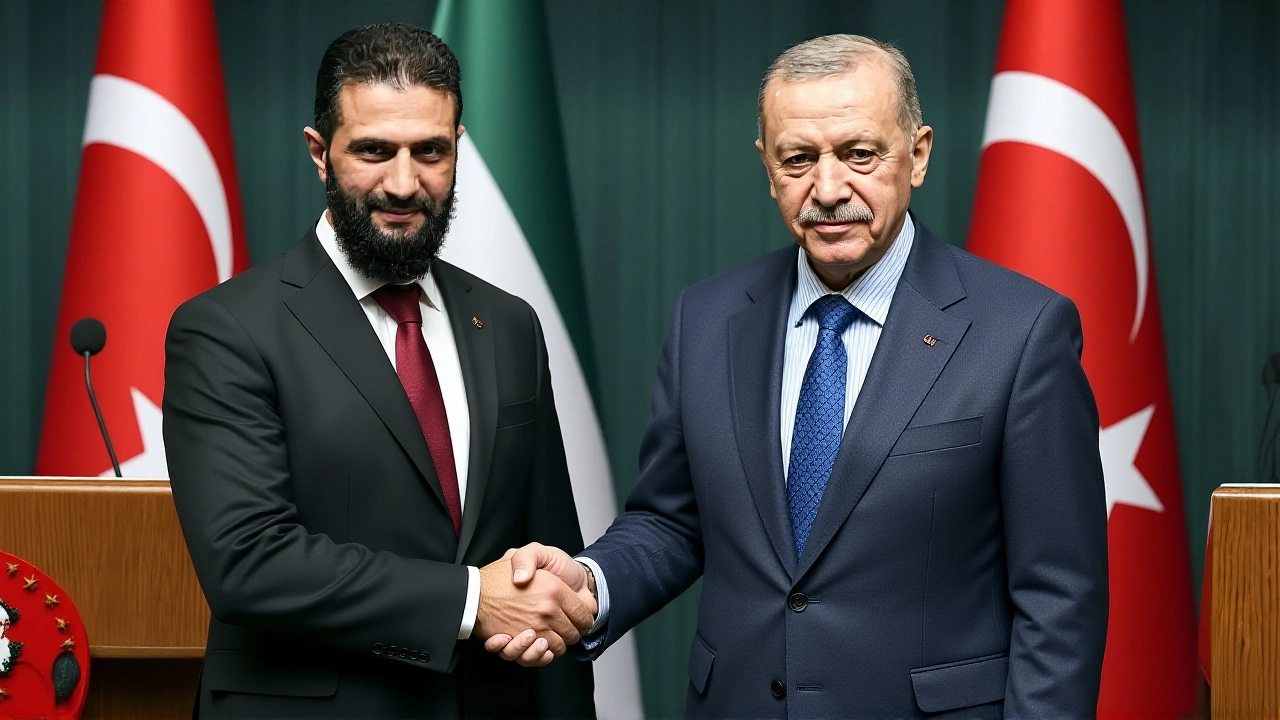
When Turkey officially abolished the Ottoman Caliphate in 1924, it didn't just end a political system; it severed a 1,300-year-old spiritual tether for millions of Muslims worldwide. But here’s the twist that history books often skim over: the very first organized attempt to revive this lost institution wasn’t launched from the Middle East. It was planned on Indian soil, backed by one of the wealthiest rulers of the era.
The details are still hazy, but reports indicate that the last Ottoman Caliph himself looked toward an Indian princely state as a potential base for restoration. The ruler of that state—often cited as the world’s richest man at the time—was seen as the ideal ally. While specific names remain elusive in fragmented records, this obscure chapter reveals how deeply the fate of the Caliphate was intertwined with South Asian politics long before modern geopolitical tensions took center stage.
A Kingdom Without a King
To understand why the Caliphate mattered so much, you have to go back to the basics. Islam began in the 7th century on the Arabian Peninsula, rooted in the teachings of Prophet Muhammad. After his death in 632 AD, leadership passed to Abu Bakr, then Umar ibn al-Khattab, whose reign saw rapid expansion across Iran and into the Roman Empire. By the time Uthman ibn Affan took over in 644 AD, political fractures were already forming.
Fast forward to the early 20th century. The Ottoman Empire had sided with Germany in World War I. When they lost, European powers carved up the Middle East like a pie. Modern Turkey emerged from the ashes, but under Mustafa Kemal Atatürk, it chose secularism over religion. In March 1924, the Grand National Assembly voted to abolish the Caliphate. The last Caliph, Abdulmejid II, was exiled. Overnight, a vacuum opened—a void that leaders, politicians, and movements would try to fill for decades.
The Indian Connection
Here’s where things get interesting. While the Ottoman Empire crumbled, Indian Muslims were watching closely. They weren’t just observers; they were active participants. The Khilafat Movement, launched in 1919, became a massive political force. Led by figures like Maulana Azad, Ali Brothers, and Hasrat Mohani, it demanded that British rule respect the Caliph’s authority over holy sites.
In November 1919, the All-India Khilafat Conference met in New Delhi. It wasn’t just about religion; it was a bridge between Muslim identity and the broader Indian independence struggle. Boycotts of British goods followed. For a brief moment, Hindu-Muslim unity seemed possible, fueled by shared anger against colonial rule. But when the Treaty of Lausanne in 1923 failed to protect the Caliphate, the movement lost steam. Yet, the idea never died. Reports suggest that even after 1924, plans persisted to use wealthy Indian states as financial and logistical hubs for revival efforts.
Erdogan’s Ambitions and Modern Echoes
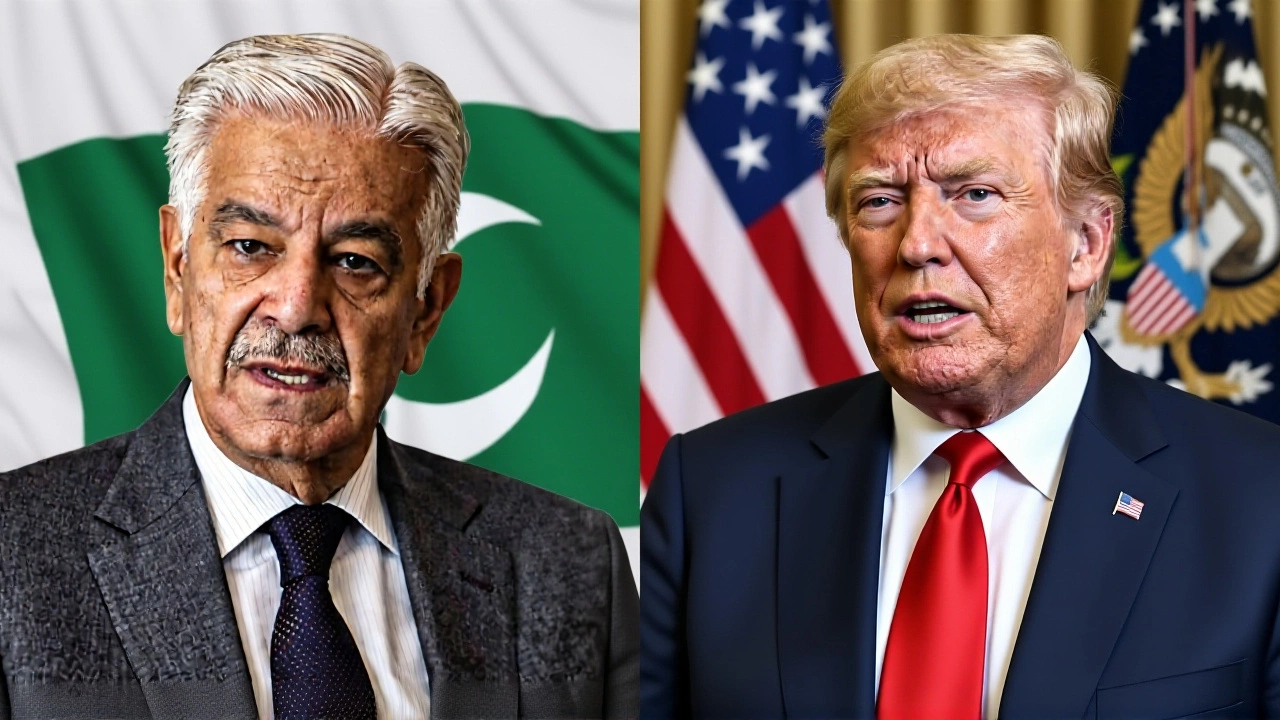
Today, the word “Caliphate” brings different images to mind. For some, it’s ISIS. For others, it’s nostalgia. And for Recep Tayyip Erdogan, President of Turkey, it’s a complex tool of soft power. Erdogan has never declared himself Caliph—he knows better—but he positions Turkey as the leader of the Muslim world. Critics call it neo-Ottomanism; supporters see it as rightful stewardship.
Recent online discourse has sparked wild theories. A viral video from First India claimed Erdogan called for all Muslim nations to unite against Israel, using the phrase “Divide and die.” Another report from Zee News suggested a boycott of Turkish goods in Gujarat and Rajasthan after Turkey supported Pakistan following India’s “Operation Sindoor.” Meanwhile, DNA TV floated the idea of an “Islamic NATO,” allegedly involving Pakistan’s Field Marshal Asim Munir and Saudi Arabia, modeled on NATO’s Article 5 mutual defense clause.
But wait. Let’s separate fact from fiction. There is no official evidence that Erdogan has any “disciple” plotting with Israel against him. Those claims appear to be speculative commentary or misinterpreted rhetoric. The “Islamic NATO” concept remains unverified, lacking dates, documents, or formal agreements. What we do know is that regional alliances are shifting fast, and religious symbolism is being weaponized in new ways.
Why This Matters Now
The ripple effects of the 1924 abolition are still felt today. Every time a leader invokes the Caliphate, they’re tapping into a deep well of historical memory. In India, the Khilafat Movement reminds us how religion and nationalism can merge—and explode. In Turkey, Erdogan’s foreign policy balances secular roots with Islamic identity. And globally, groups like ISIS show what happens when extremist ideologies hijack sacred symbols.
Experts argue that understanding these connections helps explain current conflicts. Why does Turkey meddle in Libya? Why do Gulf states compete for influence? Partly because there’s no single recognized leader for the global Muslim community. That absence creates chaos—and opportunity.
What’s Next?
Watch for three developments. First, whether Erdogan will push harder for pan-Islamic unity ahead of upcoming elections. Second, if any new coalition resembling an “Islamic security pact” gains traction among Sunni-majority nations. Third, how India responds to growing anti-Turkish sentiment linked to its stance on Pakistan. The past isn’t dead here; it’s just waiting for the right trigger.
Frequently Asked Questions
Who was the last Ottoman Caliph?
Abdulmejid II served as the final Caliph of the Ottoman Empire until March 3, 1924, when Turkey’s Grand National Assembly abolished the office. He was subsequently exiled from the country, marking the end of a 1,300-year institution.
What was the Khilafat Movement in India?
Launched in 1919, the Khilafat Movement was a political campaign by Indian Muslims demanding that the British preserve the Ottoman Caliphate after WWI. Led by Maulana Azad and others, it briefly united Hindus and Muslims in the fight for independence before collapsing in 1924.
Is Erdogan trying to restore the Caliphate?
No. President Recep Tayyip Erdogan has not declared himself Caliph nor formally sought to restore the title. However, critics accuse him of pursuing “neo-Ottoman” policies that position Turkey as a moral and political leader of the Muslim world through cultural diplomacy and military interventions.
What is the “Islamic NATO” mentioned in media reports?
The term refers to speculative discussions about a military alliance among Muslim-majority countries, potentially including Pakistan, Saudi Arabia, and Turkey. Some reports claim it mirrors NATO’s Article 5 mutual defense principle, but no official treaty or formal structure has been announced as of now.
Why are Indians boycotting Turkish goods?
Boycott calls emerged in Indian states like Gujarat and Rajasthan after Turkey expressed support for Pakistan following India’s cross-border operations. Social media campaigns amplified grievances, though the economic impact remains unclear. The move reflects rising nationalist sentiments tied to regional geopolitical rivalries.



Write a comment